
10 Cheapest Places to Visit in Europe in 2027
Europe is full of incredible places to explore, from medieval…
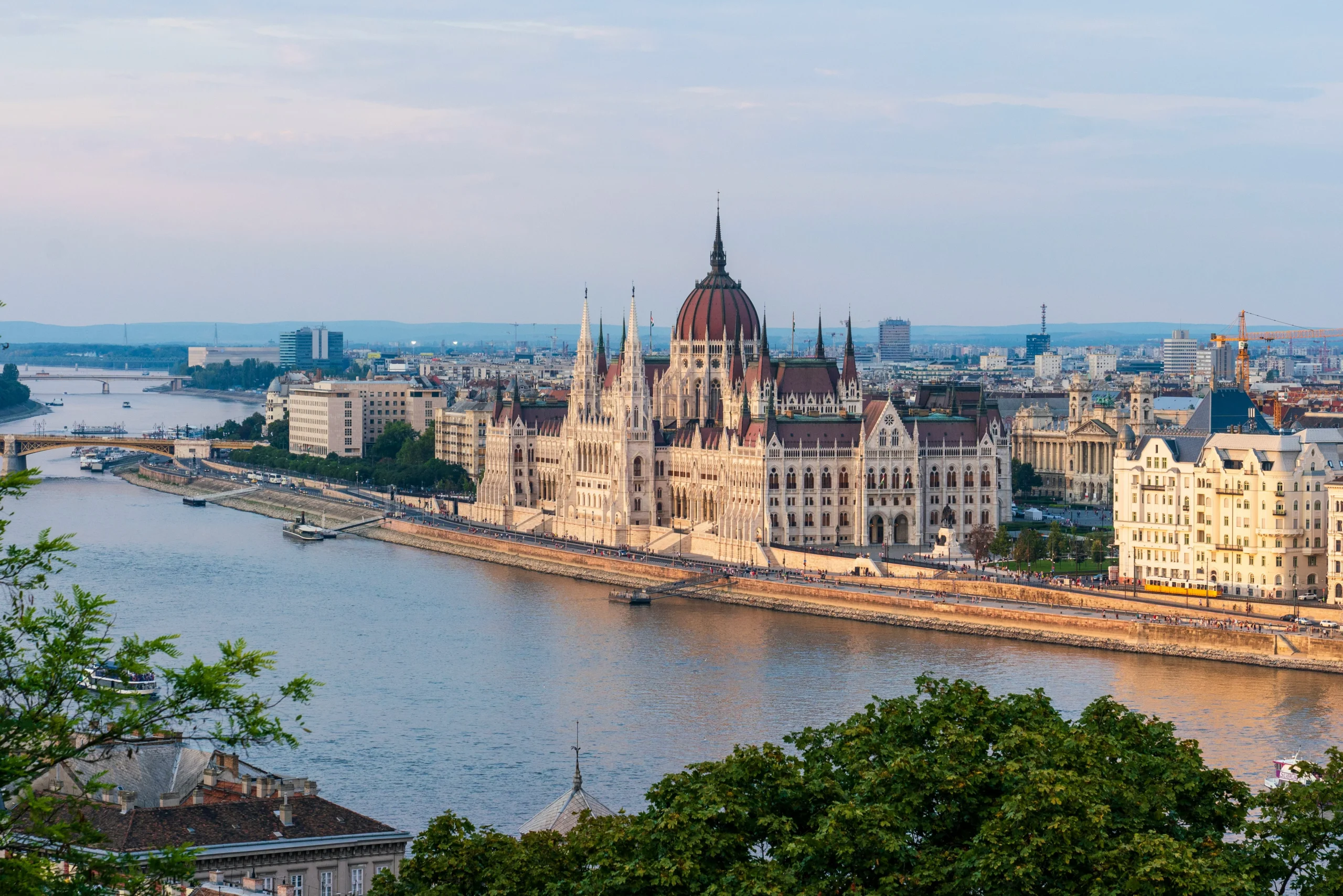
Table of Contents
Europe is full of incredible places to explore, from medieval towns and colorful old streets to mountain landscapes and beautiful coastlines. But if you are planning a trip from the United States, the cost of hotels, meals, transportation, and attractions can quickly influence where you decide to go.
The good news is that an unforgettable European vacation does not have to come with a luxury price tag. Some cities offer historic landmarks, excellent local food, lively neighborhoods, and memorable experiences at a lower cost than many famous Western European destinations.
In this guide, we explore 10 of the cheapest places to visit in Europe in 2027, including what makes each destination special, how to keep your expenses under control, and which type of traveler may enjoy it most.
The budgets in this article are planning estimates, not confirmed prices for 2027. Actual costs will depend on your travel dates, accommodation choices, exchange rates, and activities. International flights from the United States are excluded.
How We Chose These Affordable European Destinations
Finding a cheap destination is not simply about choosing the place with the lowest prices. A good budget destination should also offer enough attractions, convenient ways to get around, interesting local culture, and experiences that make the journey worthwhile.
This list includes a mix of Central and Eastern European cities, Balkan capitals, and a destination in Portugal. They offer different travel experiences, so the best choice depends on your interests as well as your budget.
For a useful comparison, we consider:
- Everyday expenses: Accommodation, meals, local transportation, and sightseeing.
- Things to do: Historic neighborhoods, museums, architecture, nature, and local experiences.
- Travel style: Whether the destination suits solo travelers, couples, or people planning a longer European trip.
- Seasonal variation: How your travel dates may affect prices and availability.
1. Kraków, Poland — Best for History and Culture
Kraków is an excellent starting point for travelers who want historic European scenery without immediately choosing one of the continent’s most expensive cities.
Estimated planning budget: $45–$70 per person per day.
The city’s Old Town features a beautiful main square, historic churches, cafés, and streets that are easy to explore on foot. Wawel Castle is another major highlight, while the Kazimierz district offers a different atmosphere with restaurants, cultural attractions, and a rich Jewish heritage.
What to do in Kraków
- Explore the Main Market Square and its surrounding streets.
- Visit Wawel Castle and the cathedral area.
- Discover the cafés and historic streets of Kazimierz.
- Browse local markets and try traditional Polish dishes.
- Consider a separate day trip to the Wieliczka Salt Mine.
Walking around the historic center can help keep sightseeing expenses down. However, castle interiors, museums, and day trips may require separate tickets.
How to save money in Kraków
Look for accommodation within walking distance of the Old Town or a convenient tram route. Compare the cost of a private room with a hostel if you are traveling alone, and check official attraction websites before purchasing tickets.
Kraków is particularly suitable for history lovers, first-time visitors to Central Europe, and travelers who enjoy exploring a city on foot.
2. Budapest, Hungary — Best for Architecture and Thermal Baths
Budapest combines grand architecture, river views, historic cafés, and famous thermal baths. It offers a memorable city break for travelers who want a variety of experiences without automatically choosing a high-cost destination.
Estimated planning budget: $50–$80 per person per day.
The Danube River divides Budapest into Buda and Pest, giving visitors different perspectives on the city. The Hungarian Parliament Building is one of its best-known landmarks, while Fisherman’s Bastion provides beautiful views across the river.
What to do in Budapest
- Walk along the Danube and admire the city skyline.
- Explore the Castle District and Fisherman’s Bastion.
- Visit a thermal bath and compare ticket options.
- Discover local food markets and traditional restaurants.
- Explore different neighborhoods by tram or metro.
How to save money in Budapest
Compare thermal bath admission prices and decide in advance whether the experience fits your budget. Use public transportation for longer journeys and walk between nearby attractions.
Budapest is a strong choice for couples, architecture enthusiasts, photographers, and travelers who enjoy combining sightseeing with relaxing experiences.
3. Sarajevo, Bosnia and Herzegovina — Best for History and Local Culture
Sarajevo offers a distinctive combination of Ottoman-era architecture, Austro-Hungarian buildings, mountain scenery, and a food culture shaped by several historical influences.
Estimated planning budget: $40–$65 per person per day.
The Baščaršija old bazaar is a great place to begin exploring. Its narrow streets, traditional shops, and cafés create a very different atmosphere from many of Europe’s larger tourist centers.
The city also has important historical museums and memorials that help visitors understand Bosnia and Herzegovina’s complex past.
What to do in Sarajevo
- Walk through Baščaršija and the historic center.
- Try traditional Bosnian dishes at local restaurants.
- Visit museums and learn about the city’s history.
- Enjoy views of the surrounding mountains.
- Explore local cafés and neighborhoods at a relaxed pace.
How to save money in Sarajevo
Choose accommodation close to the areas you plan to explore, compare local transport options, and check museum opening hours and entry fees before visiting.
Sarajevo is especially appealing to travelers who value history, local culture, distinctive architecture, and destinations that feel different from the standard European city break.
4. Tirana, Albania — Best for an Affordable City Break
Tirana has colorful buildings, lively cafés, museums, and easy access to other parts of Albania. It can also serve as a starting point for travelers who want to combine city sightseeing with beaches or mountain landscapes.
Estimated planning budget: $40–$65 per person per day.
Start around Skanderbeg Square, where several important landmarks and museums are located. The city also has restaurants, markets, and neighborhoods that are worth exploring beyond the main tourist areas.
What to do in Tirana
- Explore Skanderbeg Square and the surrounding center.
- Visit museums that explain Albania’s modern history.
- Discover the city’s café culture.
- Explore local restaurants and traditional dishes.
- Plan an optional excursion outside the capital.
How to save money in Tirana
Compare accommodation options before choosing a location, and calculate the full cost of any excursion outside the city. Transportation, meals, and entry fees can vary depending on your plans.
Tirana is a good option for travelers interested in contemporary Balkan culture and for those considering a longer trip through Albania.
For a more detailed cost breakdown, read our guide: How Much Does a Week in Albania Cost in 2027?
5. Sofia, Bulgaria — Best for City Sightseeing and Nearby Nature
Sofia offers historic churches, public parks, museums, and mountain scenery within reach of the city. It can be a useful option for travelers who want a European capital without the expenses associated with some of the best-known tourist destinations.
<em>Estimated planning budget: $40–$65 per person per day.</em>
Alexander Nevsky Cathedral is one of Sofia’s most recognizable landmarks. The city also has archaeological remains, historic streets, local restaurants, and green spaces that provide a break from sightseeing.
What to do in Sofia
- Visit Alexander Nevsky Cathedral.
- Explore the historic center and its archaeological sites.
- Spend time in the city’s parks.
- Sample Bulgarian food at local restaurants.
- Consider a trip toward Vitosha Mountain if conditions and transport schedules allow.
How to save money in Sofia
Use public transportation where practical and group nearby attractions into the same day. If you want to visit the mountains or nearby towns, check transport schedules and total excursion costs before leaving.
Sofia suits travelers who enjoy architecture, relaxed sightseeing, and combining urban experiences with outdoor activities.
6. Bucharest, Romania — Best for Architecture and Urban Energy
Bucharest is known for its wide boulevards, historic buildings, cafés, museums, and energetic nightlife. It can offer a different perspective on European city travel from the more familiar destinations in Western Europe.
<em>Estimated planning budget: $40–$70 per person per day.</em>
The Romanian capital mixes elegant older architecture with modern neighborhoods and reminders of its communist-era history. The Palace of Parliament is one of its most prominent landmarks, although visitors should check tour arrangements and availability in advance.
What to do in Bucharest
- Explore the Old Town and its surrounding streets.
- Admire the city’s historic architecture.
- Visit museums that interest you.
- Spend time in parks and public gardens.
- Try Romanian food in local restaurants.
How to save money in Bucharest
Compare accommodation by neighborhood, use public transportation for longer journeys, and check attraction prices before your visit. If you plan to take a day trip outside the capital, include transportation and any guided-tour costs in your budget.
Bucharest is worth considering for travelers interested in architecture, city life, cafés, and a less conventional European itinerary.
7. Belgrade, Serbia — Best for Food and Nightlife
Belgrade offers a lively atmosphere, riverside scenery, historic sites, and a strong café and restaurant culture. It is a destination to consider if you want a city with plenty of character and a range of activities.
<em>Estimated planning budget: $45–$75 per person per day.</em>
Kalemegdan Fortress is one of the city’s main attractions, offering views toward the meeting point of the Sava and Danube rivers. Elsewhere, you can explore pedestrian streets, local markets, museums, and restaurants.
What to do in Belgrade
- Explore Kalemegdan Fortress and its park.
- Walk along the riverside.
- Discover the pedestrian area around Knez Mihailova Street.
- Try traditional Serbian dishes.
- Explore cafés and nightlife areas if they match your travel style.
How to save money in Belgrade
Set a daily limit for restaurants and entertainment, since nightlife can increase spending quickly. Compare accommodation locations and use public transportation or walking where convenient.
Belgrade may appeal to couples, solo travelers, and visitors who prefer a lively city rather than a destination centered mainly on historic monuments.
8. Skopje, North Macedonia — Best for a Different Balkan Experience
Skopje is an interesting choice for travelers who want to explore a less familiar European capital. The city has historic neighborhoods, museums, riverside walks, and access to nature beyond its urban center.
<em>Estimated planning budget: $35–$60 per person per day.</em>
The Old Bazaar is one of the city’s most interesting areas, with shops, cafés, and streets that reflect its Ottoman heritage. The central area has monuments and public spaces, while Matka Canyon is a possible excursion for visitors interested in landscapes and outdoor activities.
What to do in Skopje
- Explore the Old Bazaar.
- Walk through the central city area.
- Visit museums and cultural attractions.
- Try local Macedonian dishes.
- Consider a day trip to Matka Canyon after checking transportation and activity options.
How to save money in Skopje
Keep your itinerary focused on nearby sights, check excursion prices before booking, and compare the location and total cost of accommodation.
Skopje is particularly suitable for travelers who enjoy discovering places outside the most common European tourist routes.
9. Porto, Portugal — Best for Riverside Views and Food
Porto shows that affordable European travel is not limited to Eastern Europe and the Balkans. Portugal’s second-largest city is known for its historic center, riverside scenery, tiled buildings, and food culture.
<em>Estimated planning budget: $60–$90 per person per day.</em>
The Ribeira district is one of Porto’s most recognizable areas, with colorful buildings along the Douro River. The city also has historic churches, markets, cafés, and viewpoints that make it rewarding to explore on foot.
Porto may cost more than some of the cities listed above, particularly during busy periods, but it can still be worth considering when comparing destinations in Western Europe.
What to do in Porto
- Explore the Ribeira waterfront.
- Walk across the Dom Luís I Bridge.
- Admire the city’s tiled façades and historic streets.
- Visit local markets and try Portuguese food.
- Compare river cruises and other paid experiences before booking.
How to save money in Porto
Stay slightly outside the busiest tourist streets if public transportation makes it convenient. Compare restaurant menus, book popular attractions when necessary, and check accommodation prices for different travel dates.
Porto is a good option for couples, food lovers, photographers, and travelers who want a Western European destination with plenty of atmosphere.
For a full spending guide, see How Much Does a Week in Portugal Cost in 2027?
10. Vilnius, Lithuania — Best for a Relaxed Historic City
Vilnius is known for its historic Old Town, Baroque architecture, churches, and artistic neighborhoods. It offers a different pace from Europe’s busiest tourist cities and can be a good option for travelers who enjoy exploring at a relaxed speed.
<em>Estimated planning budget: $45–$75 per person per day.</em>
The Old Town is the natural starting point for a visit. You can explore its narrow streets, historic buildings, cafés, and viewpoints, then visit the Užupis neighborhood for a different atmosphere.
What to do in Vilnius
- Walk through the historic Old Town.
- Visit churches and architectural landmarks.
- Explore the Užupis neighborhood.
- Discover local cafés and Lithuanian food.
- Look for museums and cultural events that interest you.
How to save money in Vilnius
Choose accommodation within walking distance of the historic center or a convenient bus route. Many of the city’s pleasures come from walking through its neighborhoods, so you can build a satisfying itinerary without buying a ticket for every activity.
Vilnius is well suited to travelers interested in architecture, culture, and quieter city breaks.
Comparison: Which Affordable European Destination Should You Choose?
The following daily budgets are broad planning estimates for a budget-conscious traveler. They are not official price lists or guaranteed 2027 rates. They exclude international flights and can change with the season and accommodation choice.
| Destination | Estimated daily budget | Best for |
|---|---|---|
| Skopje, North Macedonia | $35–$60 | Culture and nearby nature |
| Sarajevo, Bosnia and Herzegovina | $40–$65 | History and local food |
| Sofia, Bulgaria | $40–$65 | Architecture and outdoor trips |
| Tirana, Albania | $40–$65 | City breaks and wider Albania trips |
| Kraków, Poland | $45–$70 | History and museums |
| Bucharest, Romania | $40–$70 | Architecture and city life |
| Belgrade, Serbia | $45–$75 | Food and nightlife |
| Vilnius, Lithuania | $45–$75 | Historic streets and culture |
| Budapest, Hungary | $50–$80 | Architecture and thermal baths |
| Porto, Portugal | $60–$90 | Riverside scenery and food |
These ranges are intended to help you compare destinations at the planning stage. They do not mean every traveler will spend the same amount, and the cheapest destination may not be the best fit for your interests or travel dates.
How to Visit Europe on a Budget in 2027
Choosing an affordable destination is a great first step, but your travel habits also influence the final cost.
Travel outside the busiest periods
Compare prices for spring and autumn as well as summer. In some destinations, traveling outside the peak season can mean more accommodation options and fewer crowds. However, prices vary by city, holidays, and major events, so always check your actual dates.
Stay longer in fewer places
Changing cities frequently can add train tickets, airport transfers, and extra accommodation costs. Spending several nights in one destination may help you save money and experience the area more deeply.
Use public transportation
Many European cities have buses, trams, and metro systems. Compare individual fares with day passes, and consider walking when attractions are close together.
Choose meals strategically
Try local cafés, bakeries, markets, and casual restaurants. You can still enjoy memorable meals without choosing an expensive restaurant for every lunch and dinner.
Book important attractions thoughtfully
Check official attraction websites for ticket prices, opening hours, and reservation requirements. Prioritize the experiences you genuinely want rather than paying for everything.
Compare the full cost of flights
When traveling from the United States, remember that the cheapest airfare does not necessarily produce the cheapest trip. Include baggage, airport transfers, accommodation on arrival if needed, and the cost of reaching your final destination.
Frequently Asked Questions
What is the cheapest place to visit in Europe in 2027?
There is no single destination that will be cheapest for every traveler. Cities such as Skopje, Sarajevo, Sofia, and Tirana are worth comparing if you want to keep everyday expenses relatively low. Actual costs depend on dates, accommodation, transportation, and activities.
Which European countries are generally affordable for American travelers?
Poland, Albania, Bulgaria, Romania, and some destinations in the Western Balkans are often worth comparing for budget-conscious trips. Portugal may also offer good value, although popular areas can become more expensive during peak season.
How much money do I need for one week in Europe?
Your budget depends on where you go and how you travel. As a broad starting point, some travelers may plan around $650–$1,125 for seven days in a lower-cost destination, excluding international flights. More expensive destinations, peak-season travel, and private accommodation may require substantially more. Use current prices to calculate your own total.
Is Eastern Europe cheaper than Western Europe?
Many destinations in Central and Eastern Europe have lower everyday costs than popular cities in Western Europe, but there are exceptions. Accommodation prices, major events, and the season can make a significant difference, so compare specific cities rather than relying on geography alone.
When should I book a budget trip to Europe?
Start comparing flights and accommodation once you have a realistic travel window. Booking early can provide more choices for popular dates, but the best timing depends on the route, destination, and season. Review cancellation terms before paying.
Are these budgets inclusive of flights from the USA?
No. The daily estimates in this guide exclude international flights, travel insurance, shopping, and major unexpected expenses. Add current airfare and any other relevant costs to calculate your full trip budget.
Final Thoughts
Europe offers many ways to enjoy a memorable vacation without choosing the most expensive destinations. From Kraków’s historic streets to Sarajevo’s distinctive culture and Porto’s riverside scenery, each city on this list has something different to offer.
The best destination is not necessarily the one with the lowest daily cost. It is the place that fits your interests, schedule, and overall budget.
Before booking your 2027 trip, compare actual accommodation rates, transportation fares, and attraction prices. Choose a realistic spending limit, keep some money aside for unexpected expenses, and focus on the experiences you value most.
With thoughtful planning, an affordable European trip can still be rich in culture, food, history, and unforgettable moments.
Sources and Further Reading
Use these resources to compare travel costs and verify details before booking:
- Budget Your Trip — Europe: Country-level travel cost information and traveler spending estimates.
- Post Office Travel Money: Travel money information and city-cost comparisons.
- European Union — Travel Information: Official information for travelers visiting EU destinations.
- U.S. Department of State — International Travel: Official travel guidance for US citizens.
Editorial note: Daily budgets in this article are approximate planning ranges, not verified 2027 prices. Actual costs will vary by travel dates, exchange rates, accommodation standards, and individual choices. Check current prices with official providers before booking.