
How Much Does a Week in Poland Cost in 2027? (Real Budget Breakdown)
Poland can be an appealing choice for American travelers who…
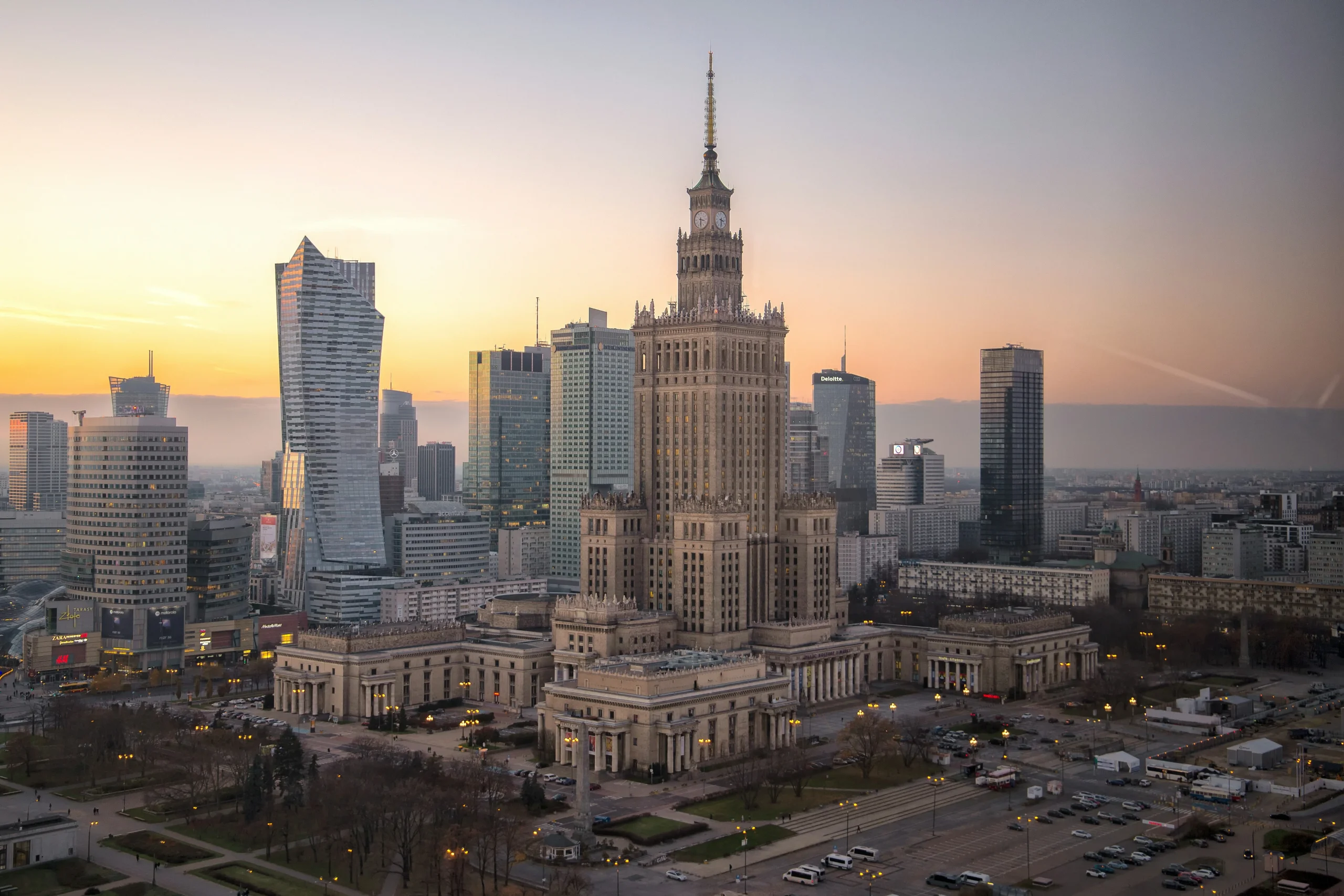
Table of Contents
Poland can be an appealing choice for American travelers who want to explore historic European cities, visit medieval castles, enjoy traditional food, and experience local culture without automatically paying the prices associated with some of Europe’s most expensive destinations.
But how much does a week in Poland actually cost?
For a seven-day trip in 2027, a solo traveler can use $400–$650 for a budget-conscious trip or $700–$1,100 for a comfortable, mid-range trip as an initial planning estimate, excluding international flights. Your final expenses will depend on your travel dates, accommodation, destinations, and activities.
These are estimates for planning a future trip, not confirmed 2027 prices. To make your budget more realistic, this guide explains accommodation, meals, transportation, sightseeing, and the differences between visiting Warsaw, Kraków, and other Polish cities.
How Much Does a Week in Poland Cost in 2027?
The following table provides an illustrative budget for one adult spending seven days in Poland.
| Expense | Budget traveler | Mid-range traveler |
|---|---|---|
| Accommodation | $175–$280 | $315–$490 |
| Food and drinks | $105–$140 | $175–$245 |
| Local transportation | $20–$40 | $30–$55 |
| Intercity transportation | $25–$60 | $40–$80 |
| Attractions and activities | $30–$65 | $60–$100 |
| Miscellaneous expenses | $35–$65 | $80–$130 |
| Estimated total | $390–$650 | $700–$1,100 |
These figures are planning allowances rather than verified prices for specific travel dates. They are intended to help you estimate your spending before checking real accommodation rates, transport fares, and attraction tickets.
The budget assumes travel within mainland Poland, with no international airfare included. It also excludes major shopping, travel insurance, and unexpected expenses.
A budget traveler might stay in a hostel or simple guesthouse, eat inexpensive meals, walk frequently, and prioritize free attractions. A mid-range traveler might prefer a private hotel room, eat at restaurants more often, and pay for several museums, tours, or other activities.
For context, Budget Your Trip’s Poland cost guide reports traveler-based averages of approximately $31 per person per day for budget travel and $80 for mid-range travel. Those figures are historical spending benchmarks, not predictions of what a trip will cost in 2027.
1. Accommodation Costs in Poland
Accommodation is one of the most important parts of your Poland travel budget. Prices vary by city, neighborhood, season, room type, and booking conditions.
Hostels and budget accommodation
Hostels can be useful for solo travelers who want to keep accommodation costs down. Shared dormitories generally cost less than private rooms, while basic guesthouses and budget hotels can offer more privacy.
For initial planning, you might allow approximately $25–$40 per night for a budget bed or economical accommodation. This is an estimate, not a guaranteed rate.
Before booking, check whether the price includes taxes, bedding, breakfast, and any required cleaning or service fees.
Mid-range hotels
Travelers who want a private room can use approximately $45–$70 per night as an initial planning allowance for a modest hotel or guesthouse.
For seven nights, that would mean around $315–$490. Central locations, major events, and busy summer dates can push accommodation costs above this range.
If you are traveling with another person and sharing a room, the accommodation cost per person may be lower than booking a private room alone.
Ways to save on accommodation
- Compare several neighborhoods instead of choosing only the historic center.
- Check the total price for all seven nights, including taxes and fees.
- Compare the cost of a private room with a hostel.
- Book early when traveling during popular dates.
- Check public transportation connections before choosing accommodation farther from the center.
Planning tip: A cheaper hotel is not always the least expensive option overall. If it requires expensive taxis or long journeys every day, staying somewhere more central may provide better value.
2. Food Costs in Poland
Polish food is an important part of the travel experience. Visitors can try traditional dishes, casual cafés, bakeries, market food, and international restaurants.
How much you spend depends on whether you prepare some meals, eat at inexpensive local places, or prefer sit-down restaurants.
Breakfast
A simple breakfast from a bakery, café, or supermarket can help you start the day without spending much.
For budgeting purposes, allow around $4–$8 per day for a modest breakfast. A hotel breakfast or a larger café meal may cost more.
Lunch
Lunch can be an opportunity to try local food without committing to an expensive dinner. Look for clearly displayed menus and compare prices before ordering.
A planning allowance of $6–$12 per lunch may work for a traveler choosing economical options.
Dinner
A casual restaurant dinner could require approximately $10–$20 as an initial estimate, depending on the restaurant, portion size, drinks, and location.
More elaborate meals, cocktails, or upscale restaurants can increase the bill considerably.
Estimated weekly food budget
- Budget traveler: $105–$140 for seven days.
- Mid-range traveler: $175–$245 for seven days.
These are estimates for planning, not guaranteed menu prices for 2027.
How to eat well for less
Choose a mix of local restaurants, bakeries, supermarkets, and casual cafés. You do not need to eat every meal in a tourist-center restaurant to experience Polish cuisine.
You can also compare lunch menus with dinner menus, check drink prices, and choose accommodation with a kitchen if preparing some meals appeals to you.
3. Transportation Costs in Poland
Poland has train and bus connections between many popular destinations, along with local public transportation in major cities. Your transport budget will depend on how far you travel and how many times you change cities.
Getting around Warsaw
Warsaw has a public transportation network that includes buses, trams, and a metro system. Walking can also work well for exploring individual neighborhoods.
For a week spent mainly in Warsaw, consider an initial allowance of approximately $20–$40 for local transportation if you mostly walk and use public transit selectively. Airport transfers and frequent journeys may increase your spending.
Check current fares and ticket conditions through the official Warsaw Public Transport website.
Traveling between Polish cities
Train travel can be practical for visitors who want to explore more than one city. Popular routes connect Warsaw with Kraków, Gdańsk, Wrocław, and other destinations.
The official Poland Travel website explains how rail fares depend on factors such as route, train type, and class. It also directs travelers to the appropriate booking information.
For a seven-day itinerary involving one or two intercity journeys, you might initially set aside $25–$60 for budget travel or $40–$80 for a more flexible itinerary. These are planning estimates, not live fare quotes.
To check schedules and prices, use PKP Intercity and compare the available departures for your dates.
Should you rent a car?
For a city-focused visit to Warsaw and Kraków, a rental car is not usually necessary. Trains and local transit may be simpler, especially when you consider parking and city traffic.
A car may be useful if you want to explore remote countryside, visit several small towns, or travel to places that are inconvenient to reach by public transportation.
Remember to budget for fuel, parking, tolls where applicable, insurance, and rental conditions rather than looking only at the advertised daily rate.
4. Attractions and Sightseeing Costs
Poland offers a variety of activities for different budgets, from historic old towns and public parks to museums, castles, and guided tours.
You can enjoy a rewarding visit without paying an entrance fee every day.
Free things to do in Poland
Consider activities such as:
- Walking through the historic center of Kraków.
- Exploring Warsaw’s public squares and riverside areas.
- Discovering local neighborhoods and markets.
- Enjoying parks and public gardens.
- Walking around historic districts and taking photographs.
Free activities still require time and transportation, but they can help you control your daily spending.
Paid attractions
Museums, castles, guided tours, and special exhibitions may require admission tickets. Prices vary by attraction and can change over time.
For an initial seven-day budget, allow approximately $30–$65 for selected activities on a budget trip, or $60–$100 for a mid-range itinerary.
These amounts are planning allowances rather than a verified list of 2027 ticket prices. Check each attraction’s official website for admission fees, opening hours, booking requirements, and available discounts.
If a particular attraction is essential to your trip, verify its ticket price before finalizing your budget.
5. Is Warsaw, Kraków, or Another Polish City Cheaper?
The best destination for your budget depends on what you want to experience and when you travel. Accommodation prices, local transport, attractions, and event schedules can all affect the total.
Warsaw
Warsaw combines modern city life with historic sites, museums, parks, and a substantial public transportation network.
It can be a useful base for travelers interested in history and urban culture. However, accommodation costs can vary significantly by neighborhood and travel dates.
To manage expenses, compare hotels near public transit and prioritize the attractions you most want to visit.
Kraków
Kraków is known for its historic center, cultural attractions, and access to excursions in southern Poland.
It is a popular destination, so demand can influence hotel rates during busy periods. Staying a little outside the most visited streets may provide more accommodation options.
Kraków is also a good base for travelers who want to spend several days exploring the city instead of moving to a new hotel every night.
Wrocław
Wrocław offers historic architecture, riverside scenery, and a different atmosphere from Warsaw and Kraków.
It may suit travelers who want to explore another Polish city without trying to cover too much of the country in one week. Compare actual accommodation prices for your dates rather than assuming it will always be cheaper.
Gdańsk
Gdańsk combines historic streets with access to the Baltic coast. Its appeal changes with the season, and accommodation demand can rise during popular summer travel periods.
If you plan to visit beaches or nearby coastal towns, include the additional transport costs in your budget.
Which city should you choose? For a first trip lasting seven days, two destinations may be a more relaxed and manageable choice than trying to visit four or five cities.
6. When Is the Cheapest Time to Visit Poland?
Travel costs vary throughout the year. The best dates depend on weather preferences, events, accommodation availability, and the activities you want to enjoy.
Spring
Spring can be a good option for city sightseeing and walking tours. Conditions vary, so pack for changing weather and check your dates against local holidays and events.
Summer
Summer brings longer days and opportunities to explore outdoor attractions. It can also attract more visitors, particularly in popular destinations and coastal areas.
If you travel in summer, compare accommodation rates early and consider flexible dates when possible.
Fall
Fall may appeal to travelers interested in museums, historic streets, and cultural activities. Temperatures and weather change throughout the season, and actual savings depend on local demand.
Winter
Winter can offer a different experience, including seasonal markets and indoor attractions. Weather may affect outdoor plans, so allow flexibility in your itinerary.
There is no guaranteed cheapest month for every city or travel style. Compare actual hotel and transport prices for the dates you are considering.
7. How to Save Money on a Week in Poland
A few practical decisions can help you get more from your trip without making every day feel restrictive.
Choose a simple itinerary
Every additional city can mean another train ticket, extra transfers, and time spent checking in and out of accommodation.
For a seven-day visit, consider spending several nights in Warsaw and several in Kraków, or choose one city as your base and take day trips.
Compare accommodation locations
A room outside the historic center may cost less, but check how long it takes to reach the places you want to visit.
A convenient public transportation connection can be more valuable than a slightly cheaper room in a difficult location.
Use public transportation and walk
Walking is often a good way to discover city centers. For longer journeys, compare transit options and ticket rules before traveling.
Avoid assuming every journey needs a taxi or rideshare.
Plan paid attractions in advance
Choose the museums, castles, and tours that matter most to you. Check official ticket prices and opening times, and leave some days for free activities.
Track your daily spending
A simple note on your phone can help you see whether meals, transport, or sightseeing are costing more than expected. Adjust the next day’s plans if necessary.
Keep emergency money separate
Set aside a contingency fund for unexpected expenses, medical needs, transport changes, or other problems. Do not use your entire budget on accommodation and planned activities.
8. What About Flights from the United States to Poland?
International airfare can make a substantial difference to the total cost of a vacation, so it is excluded from the seven-day budgets in this article.
The price you pay depends on your departure city, travel dates, airline, luggage allowance, connections, and booking conditions. A traveler flying from New York may find different options from someone departing from Los Angeles, Chicago, or another U.S. airport.
To calculate the complete cost of your trip:
- Search flights for your intended dates.
- Compare the final fare, including baggage and mandatory fees.
- Check airport transfer costs.
- Match your accommodation dates to your arrival and departure times.
- Add travel insurance and a contingency fund.
Do not treat an advertised fare as a guaranteed price for a future trip. Verify the full cost before booking.
9. Is Poland Safe for American Travelers?
Poland is a popular destination for international visitors, but travelers should use normal precautions and check official guidance before departure.
Keep your valuables secure in crowded areas, stay aware of your surroundings, and use reputable transportation and accommodation providers.
For current safety information, entry requirements, and other official guidance, consult the U.S. Department of State’s travel information and look up Poland specifically before your trip.
Safety advisories and entry requirements can change, so check the latest information rather than relying solely on an older travel article.
10. Example: A Seven-Day Poland Budget
Imagine a solo traveler spending seven days in Poland, staying in economical accommodation, eating a mix of supermarket and restaurant meals, using public transportation, and visiting a few paid attractions.
Here is an illustrative budget:
| Expense | Example total |
|---|---|
| Accommodation | $245 |
| Food and drinks | $126 |
| Local transportation | $30 |
| Intercity travel | $40 |
| Attractions | $45 |
| Miscellaneous | $50 |
| Estimated total | $536 |
This example is a planning scenario, not a quote for a specific week in 2027. It assumes the traveler can find accommodation at the stated price and keep other spending within the listed amounts.
The total excludes international flights, travel insurance, major shopping, and unexpected expenses. Actual costs may be higher or lower.
Before booking, replace each estimate with current prices for your dates. This is the most reliable way to turn a general budget into a practical travel plan.
Frequently Asked Questions
Is $1,000 enough for a week in Poland?
It can be enough for a solo traveler spending carefully, especially if international flights have already been paid for. Accommodation, travel dates, restaurant choices, and paid activities will determine whether that amount is comfortable for your trip.
How much spending money do I need for seven days in Poland?
If accommodation and major transport tickets are already paid for, you could start by estimating around $25–$45 per day for food, local transportation, activities, and small purchases on a budget-conscious trip. This is an illustrative allowance, not a guaranteed daily cost.
Is Poland cheaper than other European destinations?
Poland is often considered a relatively affordable European destination, but your actual expenses depend on where you go and how you travel. Compare accommodation, meals, and transport for the specific destinations on your itinerary.
Is Warsaw or Kraków better for a budget trip?
Both can work for budget-conscious visitors. Warsaw may suit travelers interested in a larger modern city and museums, while Kraków offers a historic atmosphere and access to southern Poland. Compare prices for your travel dates before deciding.
Should I visit several Polish cities in one week?
Two cities can make a balanced seven-day itinerary, especially if you want time to explore rather than spend much of the trip traveling. Visiting more places is possible, but additional transport and hotel changes can increase expenses.
Does this budget include flights from the United States?
No. The estimates in this article cover expenses during a trip in Poland, not flights to or from the United States. Search for airfare separately and add the actual fare to your total budget.
Final Thoughts: How Much Should You Budget for Poland in 2027?
For a first estimate, consider $390–$650 for a budget-conscious seven-day trip or $700–$1,100 for a mid-range trip, per person and excluding international flights.
These figures are planning estimates, not confirmed 2027 prices. Your final cost will depend on your travel dates, accommodation, transportation, meals, and sightseeing choices.
The best way to stay within your budget is to compare real prices, plan a manageable route, and choose the experiences that matter most to you. Poland offers plenty of opportunities to explore history, architecture, food, and local culture without paying for an expensive activity every day.
Before booking, check current rates with accommodation providers, transport operators, and attraction websites. A budget built around your own dates will be more useful than a single average.
Planning a trip to Poland in 2027? Save this guide and use its budget breakdown as a starting point for comparing real prices.
Sources and Further Reading
- Budget Your Trip — Poland Travel Costs — traveler-reported cost estimates for accommodation, food, transportation, and activities.
- Budget Your Trip — Poland Trip Cost Breakdown — estimated expenses for different travel styles and trip lengths.
- Poland Travel — Train Tickets — general information about train fares and ticket purchasing.
- PKP Intercity — official intercity rail booking and journey information.
- Warsaw Public Transport — official information about public transportation in Warsaw.
- U.S. Department of State — official travel guidance for Americans visiting destinations abroad.
Price note: Costs for 2027 are estimates for planning purposes. Prices, schedules, and availability may change. Verify the latest information before making travel reservations.